Neighbourhoods
There is a particular kind of buyer who flies into Samui for the first time, rents a car at the airport, and drives south along the coastal road toward Chaweng. By the time they reach the main strip of hotels and bars, something has already been decided. Usually, that they will not be buying there. The noise, the signage, the density: it is not what they came for.
Most of them, eventually, end up in Bophut.
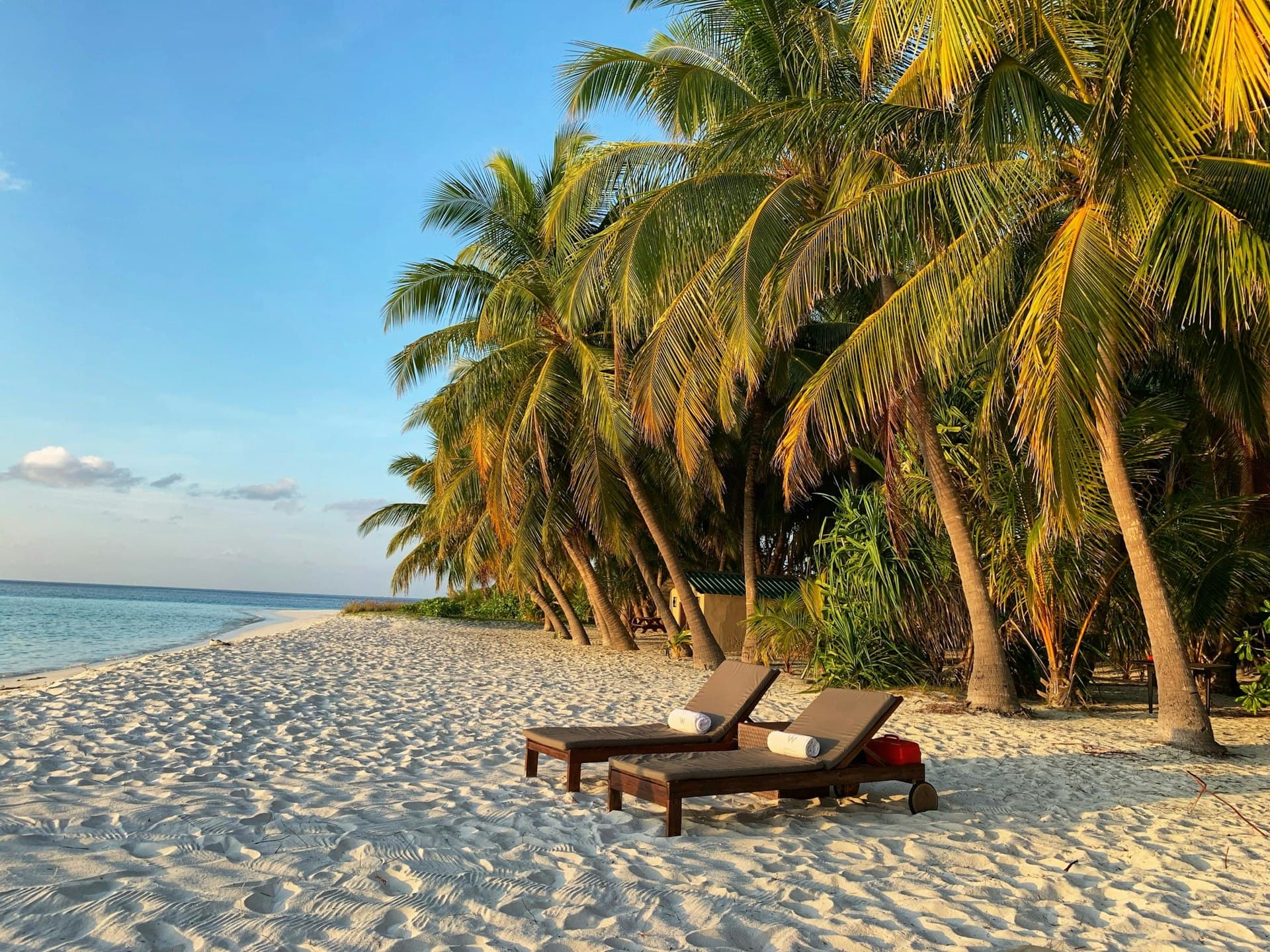
Bophut sits fifteen minutes west of the airport on Samui's northern shore, a flat stretch of coconut-palmed coastline that faces Koh Phangan across a narrow channel. The water here is calmer than the east coast's: the reef shelters it, and the sunsets arrive over the sea rather than behind a hill. None of this is accidental; Bophut has been quietly curated for two decades. It is the only part of the island where a preservation ordinance governs the old fishing street, and the only zone where a Four Seasons, a W Retreat, and a Banyan Tree cluster within a seven-kilometre radius without crowding each other.
The buyers who choose Bophut are rarely first-time villa owners. They tend to already own property in Phuket, Bali, the south of France, or Mallorca, places where they've learned the difference between a holiday zone and a lifestyle one. Their criteria are deceptively simple. They want a kitchen they would actually cook in. They want to walk somewhere for breakfast without getting into a car. They want the option of dinner at a place with a wine list, and the option of a Sunday where they see no one. Chaweng cannot give them the last two. Maenam cannot give them the first two. Bophut can give them all four.
The preservation ordinance over Fisherman's Village is, in practice, what makes this possible. Because the buildings along that kilometre of coast cannot be demolished or vertically expanded, the village retains its rhythm: two-storey shophouses, wooden fronts, narrow alleys opening onto the sand. New restaurants arriving in Bophut have to fit into what exists; they cannot flatten it and start again. The effect is that the best operators on the island (Dining On The Rocks, Coco Tam's, Karma Sutra, Barracuda) choose to open here rather than anywhere else, because the setting does half the work.
This is not a universally good thing. Bophut is the most expensive buying zone on Samui, and it is getting more expensive every year. A sea-view plot that sold for €400,000 in 2018 now lists at €900,000, and the asking prices are often supportable because the inventory is thin. The preservation ordinance that keeps the village beautiful also caps supply: you cannot build a tower, you cannot subdivide a beachfront plot three ways, and the hills behind the village are steep enough that road access costs real money. If you are buying for maximum rental yield, Bophut is not the answer. The numbers are better in Lamai, Maenam, and parts of Ban Tai.
What Bophut sells is capital preservation and lifestyle. A villa here holds its value through down cycles because the buyer pool remains international, the rental demand remains luxury-tier, and the supply cannot expand. For owners whose first priority is a second home they will actually use, and whose second priority is that the asset does not lose money while they are away, the calculation is straightforward.
Within Bophut itself the zones vary more than buyers expect. The strip from Fisherman's Village east toward Big Buddha is dense and convenient: closer to restaurants, less private. The hillside pockets above the village (Plai Laem, Choeng Mon's west-facing edge) trade convenience for elevation and sea views. The west end toward Bang Rak is quieter and cheaper, but closer to the airport flight path. None of these are bad; they are different answers to different questions.
The buyers who do well here are the ones who spend two or three visits understanding which zone fits them before looking at a single villa. The ones who struggle are the ones who fell in love with a specific property on the internet and worked backward from there.
If you are earlier in the process (trying to work out whether Samui is even the right island, or whether Bophut is the right part of it) that is exactly the conversation we prefer to have first. The villas will still be there when you've decided.